Dynamic Memory and Strategy Card Quiz

  • Grade 2nd,
  • Grade 3rd,
  • Grade 4th
  • NCTM
Reviewed by Editorial Team
The ProProfs editorial team is comprised of experienced subject matter experts. They've collectively created over 10,000 quizzes and lessons, serving over 100 million users. Our team includes in-house content moderators and subject matter experts, as well as a global network of rigorously trained contributors. All adhere to our comprehensive editorial guidelines, ensuring the delivery of high-quality content.
Learn about Our Editorial Process
| By Thames
T
Thames
Community Contributor
Quizzes Created: 11121 | Total Attempts: 9,743,875
| Attempts: 21 | Questions: 17 | Updated: Aug 4, 2025
Please wait...
Question 1 / 17
🏆 Rank #--
0 %
0/100
Score 0/100

1) What is the command for Little Monkey?

Explanation

When someone gives the command 'Little Monkey', the correct response is 'Go Hunt'. The other options are incorrect because they do not align with the typical behavior associated with the command 'Little Monkey'.

Submit
Please wait...
About This Quiz
Dynamic Memory and Strategy Card Quiz - Quiz

Go Hunt The Card Game is a dynamic matching card activity inspired by the traditional 'Go Fish' game. This set enhances cognitive skills like memory and strategy while providing an engaging way to learn through play. Ideal for developing quick thinking and pattern recognition.

2) What is the common name for the fish species Lutjanus campechanus?

Explanation

Red Snapper is the common name for the fish species Lutjanus campechanus, known for its delicious taste and popularity in seafood dishes.

Submit

3) What is another term for a domesticated cat?

Explanation

The correct answer 'Go Hunt' is a playful way of referring to cats as natural predators known for hunting small animals.

Submit

4) Fat Weiner

Explanation

The correct answer is a play on words, where 'Fat Weiner' sounds like 'Go Hunt'. The incorrect answers are unrelated to the play on words and are just random food items.

Submit

5) What is the correct term for 'Wet Puss'?

Explanation

The term 'Wet Puss' refers to a cat that has been out in the rain or water. 'Go Hunt' is the correct term for describing such a cat's behavior, as cats often hunt for prey when they are wet.

Submit

6) Stretched Puss

Explanation

The term 'Stretched Puss' is a playful way of referring to a cat getting ready to hunt or chase something. It is not indicative of a lazy cat, sleeping kitten, or a playful feline.

Submit

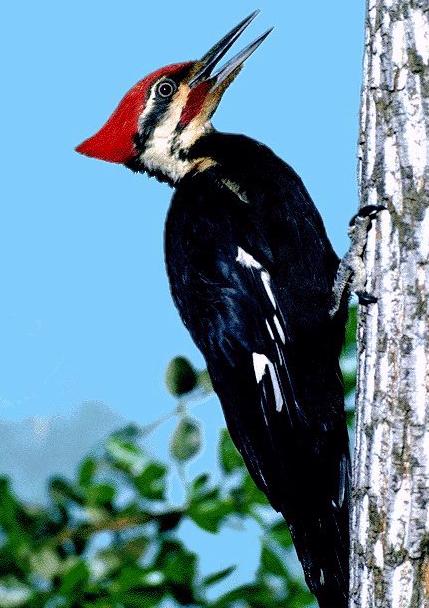
7) What is the correct response to the phrase 'Red Pecker'?

Explanation

The correct response to the phrase 'Red Pecker' is 'Go Hunt'. This is a common phrase used in hunts to signal the release of hunting dogs to chase game.

Submit

8) Nice Rack.

Explanation

The phrase 'Nice Rack' is often used in hunting contexts to compliment someone's set of antlers or trophies. The appropriate response in this context would be 'Go Hunt', indicating a recognition of the hunting-related compliment.

Submit

9) Nice Hooters.

Explanation

The phrase 'Nice Hooters' is often associated with owls which are known for their 'hoot' sound. The correct response 'Go Hunt' is a playful way to redirect the attention from owls to hunting, linking the phrase to a different context.

Submit

10) What does 'Little Hooters' translate to in English?

Explanation

The phrase 'Little Hooters' is a play on words that translates to 'Go Hunt' in English. It's important to consider the context and possible word meanings in translation.

Submit

11) Big Honkers

Explanation

The term 'Big Honkers' is typically associated with geese, and 'Go Hunt' is the appropriate response as it reflects the action of hunting for geese.

Submit

12) Dry Puss.

Explanation

The phrase 'Dry Puss' is a play on words. It sounds like 'Dried Pus', but the correct answer 'Go Hunt' changes the meaning to imply someone should go hunting.

Submit

13) What is a common phrase used to signal the start of a hunt?

Explanation

The correct answer 'Go Hunt' is commonly used to signal the start of a hunting expedition.

Submit

14) What is the phrase 'Fat Beaver' typically used to signal in hunting?

Explanation

The phrase 'Fat Beaver' is commonly used as a signal to start hunting or to indicate that it's time to go hunt for beavers. The correct answer is 'Go Hunt.'

Submit

15) What do excited monkeys do?

Explanation

Excited monkeys typically channel their energy into activities like hunting for food rather than just climbing trees, eating bananas, or taking a nap.

Submit

16) Fill in the missing word: Cute ***.

Explanation

The correct answer 'Go Hunt' is a phrase that completes the sentence by providing a possible continuation or action following the word 'Cute'. The incorrect answers 'Bunny', 'Hot', and 'Puppy' do not logically fit in the context of the question.

Submit

17) What is the term 'Wild Tuna' commonly associated with?

Explanation

The term 'Wild Tuna' is commonly associated with the act of hunting or fishing for tuna in its natural habitat, as opposed to farmed tuna or other processed forms.

Submit
×
Saved
Thank you for your feedback!
View My Results
Cancel
  • All
    All (17)
  • Unanswered
    Unanswered ()
  • Answered
    Answered ()
What is the command for Little Monkey?
What is the common name for the fish species Lutjanus campechanus?
What is another term for a domesticated cat?
Fat Weiner
What is the correct term for 'Wet Puss'?
Stretched Puss
What is the correct response to the phrase 'Red Pecker'?
Nice Rack.
Nice Hooters.
What does 'Little Hooters' translate to in English?
Big Honkers
Dry Puss.
What is a common phrase used to signal the start of a hunt?
What is the phrase 'Fat Beaver' typically used to signal in hunting?
What do excited monkeys do?
Fill in the missing word: Cute ***.
What is the term 'Wild Tuna' commonly associated with?
play-Mute sad happy unanswered_answer up-hover down-hover success oval cancel Check box square blue
Alert!

Advertisement